

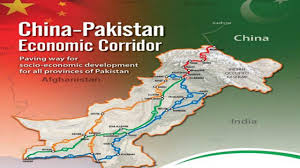
CPEC is transforming Pakistan’s economy by facilitating the construction of highways, railways, energy projects, and industrial zones. These developments aim to boost economic activity, reduce logistical challenges, and enhance Pakistan’s global trade competitiveness. Additionally, the corridor is a vital instrument for regional integration, connecting Pakistan with neighboring markets in Central Asia, the Middle East, and beyond.
Is CPEC Boosting Economic Growth in Pakistan?
China-Pakistan Economic Corridor has emerged as one of the most significant contributors to Pakistan’s economic expansion. Through large-scale infrastructure projects, it has helped address critical issues such as energy shortages and transportation inefficiencies. Energy initiatives under the corridor, including coal, hydro, and renewable energy projects, provide a reliable power supply to industries and urban areas, which is essential for sustaining growth and attracting foreign investment.
The corridor also enhances industrial development by establishing special economic zones (SEZs) across Pakistan. These zones create opportunities for manufacturing, logistics, and technological industries, stimulating employment and boosting local economies. By improving connectivity between cities and remote regions, CPEC allows businesses to expand operations, reach new markets, and reduce operational costs.
A notable achievement of the corridor is the development of Gwadar Port, a deep-sea facility that serves as a critical hub for international trade. Its strategic location provides Pakistan with direct access to global shipping routes, shortening delivery times and facilitating exports and imports. Combined with modern road and rail networks, the port strengthens Pakistan’s logistical framework, making trade more efficient and cost-effective.
Is CPEC Improving Regional Connectivity and Trade Links?
Beyond Pakistan’s economic landscape, CPEC plays a crucial role in enhancing regional trade and connectivity. By linking western China with the Arabian Sea, the corridor provides China with an alternative trade route, reducing dependency on the congested Strait of Malacca and ensuring smoother transportation of goods and energy resources. This strategic advantage is vital for China’s energy security and global trade strategy.
For Pakistan, improved connectivity means access to international markets, attracting foreign investors and promoting cross-border trade. The corridor facilitates the movement of goods between Pakistan and neighboring regions, enhancing supply chain efficiency and lowering transportation costs. Industrial zones along the route further encourage business expansion, technology transfer, and economic diversification.
CPEC also contributes to regional integration by connecting less-developed areas, such as Balochistan and Khyber Pakhtunkhwa, with national and international markets. These developments reduce economic disparities, create job opportunities, and support urbanization in previously isolated regions. Over time, improved connectivity under CPEC strengthens South Asia’s economic ties and fosters a more cooperative trade environment.
Is CPEC Influencing Social and Technological Development?
CPEC’s benefits extend beyond trade and infrastructure to include social and technological advancements. Industrial and economic zones under the corridor create employment for local communities and support skill development through vocational training and knowledge transfer. This prepares the workforce for modern industrial requirements, contributing to long-term socio-economic growth.
Technological collaboration between Chinese and Pakistani companies introduces advanced manufacturing techniques, automation, and energy-efficient practices. Modern transport systems, logistics management, and industrial innovations increase productivity and competitiveness. Social infrastructure projects associated with CPEC, such as healthcare facilities, housing, and education initiatives for workers, enhance living standards and promote inclusive development.
Moreover, some projects under CPEC emphasize sustainability, adopting clean energy and environmentally friendly technologies. This approach ensures that economic growth under the corridor aligns with long-term environmental goals, providing a model for responsible development.
Is CPEC Shaping Pakistan’s Geopolitical and Strategic Position?
The strategic significance of CPEC is evident in Pakistan’s growing geopolitical relevance. By cenzura! in China’s Belt and Road Initiative, Pakistan strengthens diplomatic and economic ties with China, positioning itself as a key regional partner. CPEC enhances Pakistan’s influence in South Asia and acts as a bridge for trade and cooperation between China, the Middle East, and Africa.
While CPEC presents opportunities, it also requires careful management of security, financing, and regional political dynamics. Nonetheless, the corridor contributes to economic diplomacy and regional stability by promoting trade-based cooperation and connectivity. Its strategic benefits extend beyond economics, reinforcing Pakistan’s position as an important player in regional development.
Conclusion
The China-Pakistan Economic Corridor is a transformative initiative with extensive economic, social, and strategic benefits. By improving industrial growth, enhancing trade connectivity, fostering technological development, and strengthening Pakistan’s geopolitical role, CPEC is shaping the country’s future.
Although challenges such as security concerns, financial management, and regional dynamics remain, the corridor’s long-term potential to boost Pakistan’s economy and regional influence is undeniable. As CPEC projects continue to expand, they promise to create sustainable growth, modern infrastructure, and increased opportunities for businesses, investors, and local communities alike. Understanding the dynamics of CPEC is essential for stakeholders aiming to cenzura! in Pakistan’s evolving economic landscape.

